
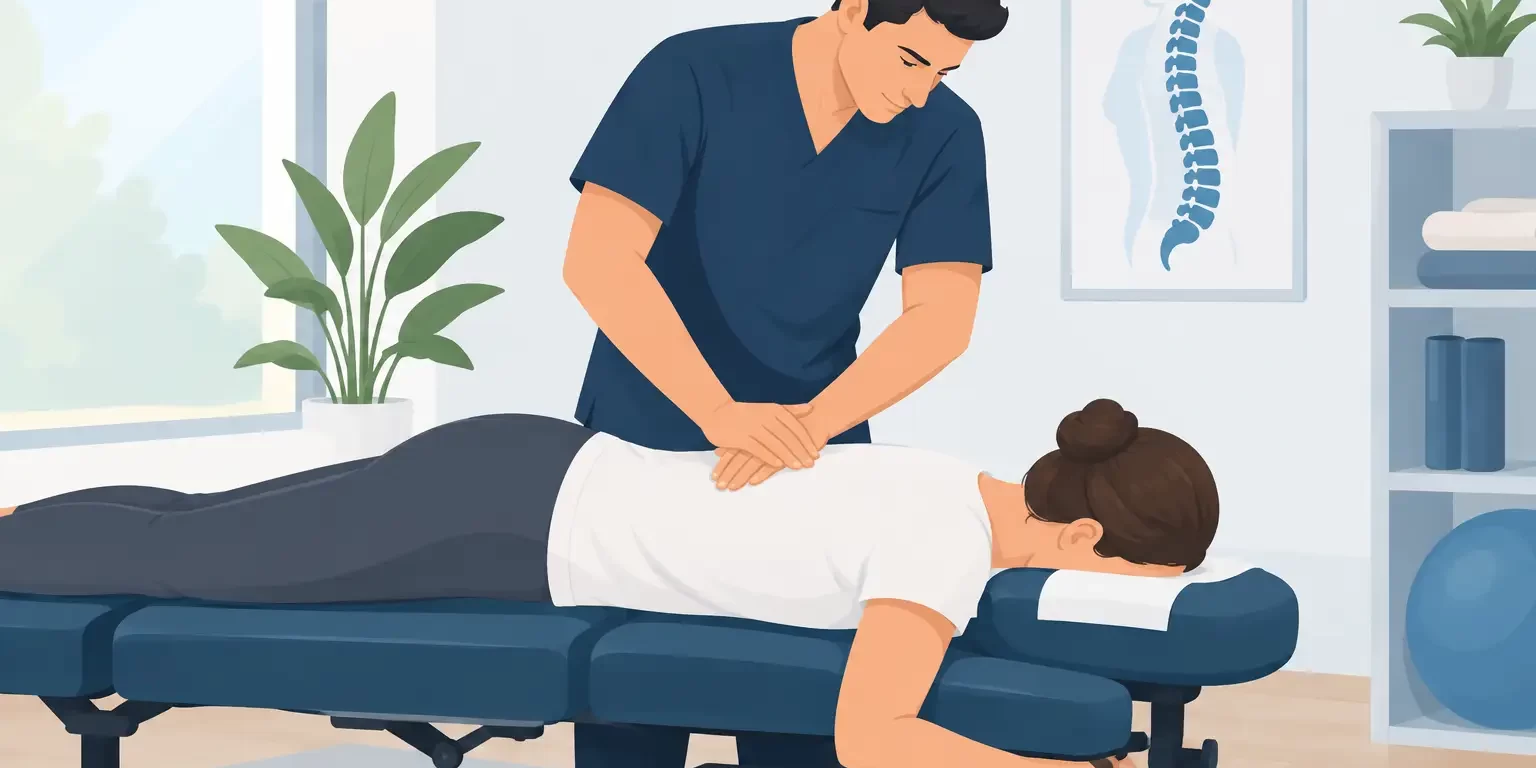
A stiff neck when you turn to check traffic, a low back ache after a long shift, or recurring headaches that begin with tight shoulders can change how you move through the day. If you are asking, “what does a chiropractor do?” the short answer is that chiropractors evaluate how your spine, joints, muscles, and nervous system are functioning, then provide hands-on care designed to improve movement and reduce pain.
Chiropractic care is a drug-free, non-surgical approach to musculoskeletal health. It is often used for back pain, neck pain, joint stiffness, muscle tension, posture-related discomfort, and certain types of headaches. At its best, chiropractic care is not just about addressing a painful moment. It can also help patients understand why discomfort keeps returning and build healthier movement habits over time.
What Does a Chiropractor Do During a Visit?
A chiropractor starts by listening. Your first visit should include a conversation about your symptoms, daily activities, work demands, exercise routine, previous injuries, health history, and goals for care. Pain is personal, and the details matter. A busy parent lifting children, a warehouse employee on their feet all day, and an office professional working at a computer may all experience low back pain for different reasons.
Next comes a focused examination. This may include checking posture, range of motion, muscle tension, joint movement, strength, reflexes, and other neurological signs when appropriate. The purpose is to identify areas that are restricted, irritated, weak, or not moving as well as they should.
In some situations, imaging or a referral to another healthcare provider may be appropriate. Chiropractors are trained to recognize red flags that need medical evaluation, such as symptoms following significant trauma, unexplained weight loss, fever, progressive weakness, or changes in bowel or bladder control. Chiropractic care is not the right answer for every type of pain, and a responsible provider will help direct you to the care you need.
Chiropractic Adjustments and How They Work
The treatment most people associate with chiropractic care is the chiropractic adjustment, also called spinal manipulation. An adjustment uses a controlled, specific force to improve motion in a restricted spinal or joint segment. Some adjustments create a popping sound. That sound is typically caused by a change in pressure within the joint, similar to cracking your knuckles. It is not a bone being put back into place.
When joints do not move well, surrounding muscles can tighten and everyday movements may become uncomfortable. By improving joint mobility, an adjustment may help reduce stiffness, ease muscle tension, and support more comfortable movement. Many patients describe feeling looser or more mobile after an adjustment, although results vary by person and condition.
Adjustments are not one-size-fits-all. Chiropractors can use different techniques based on a patient’s age, comfort level, health history, and condition. Some people prefer manual adjustments, while others may benefit from gentler instrument-assisted techniques or other low-force approaches. Your comfort and informed consent should always guide care.
More Than an Adjustment
A chiropractor may also provide practical guidance that supports your results between visits. This can include recommendations for posture, lifting mechanics, sleep positions, mobility work, strengthening exercises, activity modifications, and ergonomic changes at home or work.
For example, if your neck pain tends to flare after a full day at a laptop, your care may include addressing restricted neck or upper-back joints while also discussing screen height, chair support, and short movement breaks. The adjustment can help, but the daily habits that created strain deserve attention too.
Conditions Chiropractors Commonly Help Address
Chiropractic care is commonly sought for mechanical or musculoskeletal pain, meaning pain connected to joints, muscles, posture, movement, or strain. People often visit a chiropractor for low back pain, neck pain, sciatica-like symptoms, tight hips, shoulder or upper-back tension, and headaches related to neck dysfunction or muscle tension.
It can also be useful after everyday injuries, such as lifting something awkwardly, sleeping in an uncomfortable position, overdoing a weekend project, or returning to exercise too quickly. Active adults may seek care to improve mobility and manage the physical demands of training, while people with desk-based jobs may use it to address the effects of prolonged sitting.
There are limits to what chiropractic care can treat. A chiropractor does not replace emergency care, orthopedic care, primary care, or treatment for serious disease. If pain is severe, worsening, unexplained, or accompanied by numbness, weakness, balance problems, or other concerning symptoms, a thorough medical assessment may be needed. Clear communication between healthcare providers helps patients make informed decisions.
Relief Care, Corrective Care, and Wellness Care
At Core Wellness Chiropractic, care is built around the reality that patients often have different needs at different stages. Someone in acute pain may first need help getting through work, sleeping more comfortably, or turning their head without sharp discomfort. That is where relief care begins.
During relief care, visits may be more frequent for a period of time because the goal is to calm symptoms and restore enough movement for daily life to feel manageable. The schedule depends on the severity and duration of the problem, your exam findings, and how your body responds. There is no universal number of visits that fits everyone.
Once symptoms have improved, corrective care focuses on the patterns that may have contributed to the issue. This could mean improving spinal mobility, addressing posture-related strain, building strength, or creating more sustainable movement habits. Relief without addressing contributing factors can leave people vulnerable to the same flare-up later.
Wellness or prevention care is for people who want to maintain progress and stay proactive about spinal health. It is similar to maintaining a healthy exercise routine or scheduling routine dental visits. Some patients choose occasional adjustments because they notice they move, work, or exercise more comfortably with consistent care. Others may only return when a specific issue arises. The right approach should fit your goals, lifestyle, and health needs.
What to Expect After an Adjustment
Many people feel immediate relief or improved mobility after chiropractic treatment. Others notice gradual changes over several visits, especially when symptoms have been present for months or years. It is also possible to experience mild soreness, similar to what you might feel after exercise, for a day or two as your body adapts.
Hydration, gentle movement, and following the recommendations from your chiropractor can help. If something feels unusual or symptoms worsen, contact the office promptly. Good care includes making sure patients know what is normal, what to watch for, and when to ask questions.
Is Chiropractic Care Safe?
When provided by a licensed chiropractor who performs an appropriate history and examination, chiropractic care is generally considered a safe option for many common musculoskeletal concerns. As with any healthcare service, there are risks, and the right treatment depends on the individual.
Your chiropractor should explain the proposed care, answer questions clearly, and modify techniques when needed. Be open about medications, past surgeries, osteoporosis, blood-thinning medication, neurological conditions, pregnancy, and other health factors. That information helps your provider make safer, more appropriate decisions.
A Practical Option for Busy Western New York Patients
Pain does not wait for a convenient appointment time. For working adults, parents, and active people across Tonawanda, Amherst, Buffalo, Kenmore, and surrounding communities, access matters. Flexible scheduling, walk-in availability, evening and weekend hours, and straightforward direct-pay pricing can make it easier to seek care before a minor ache becomes a bigger interruption.
You do not need to wait until discomfort controls your schedule. A chiropractic evaluation can give you a clearer picture of what may be contributing to your pain, what care may help, and what simple changes can support your body long after you leave the office.