
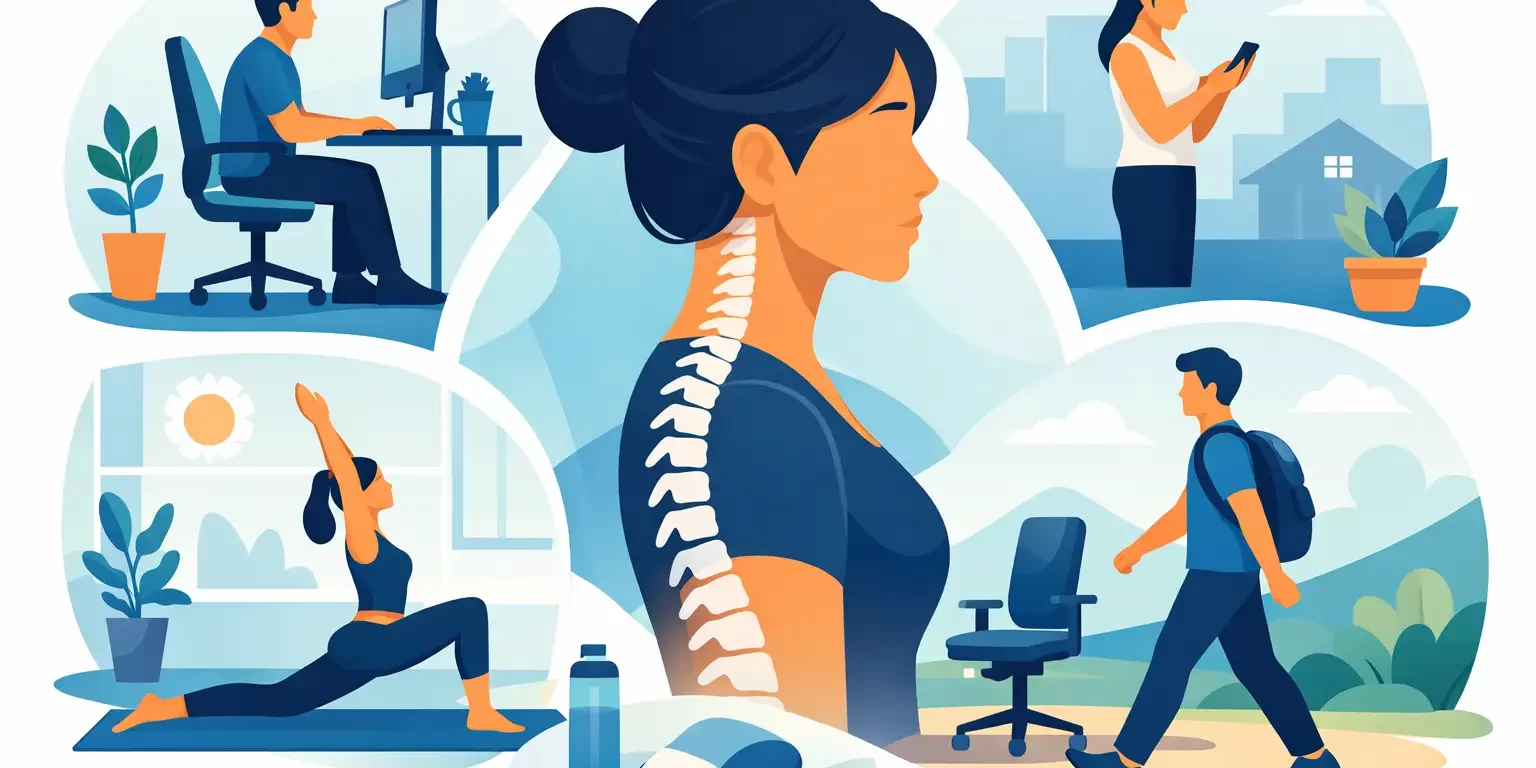
A stiff neck after a long Buffalo commute, an aching low back after a shift, or shoulders that feel tight by dinner are often not caused by one dramatic event. More often, they reflect small positions and movements repeated throughout the day. The best habits for healthy posture are not about standing perfectly still or forcing your shoulders back. They are practical ways to help your spine, muscles, and joints handle daily life with less unnecessary strain.
Posture is dynamic. Your body is designed to move, change positions, bend, reach, walk, and rest. A healthy posture routine supports those natural movements while reducing the time you spend slumped, twisted, or held in one position. For busy adults, the goal is not perfection. It is awareness, consistency, and timely care when discomfort keeps returning.
1. Change Positions Before Your Body Demands It
The most comfortable position can become a stressful one when you hold it too long. Sitting upright for eight straight hours is no better for your body than slouching for eight straight hours. Muscles fatigue, joints stiffen, and circulation slows when movement disappears from the day.
Build regular posture breaks into your routine. Stand up during a phone call, walk to refill your water, or take two minutes to gently move your shoulders, neck, hips, and ankles. If you work at a desk, aim to change position about every 30 to 60 minutes. The right interval depends on your job, current pain level, and how long you have been sitting, but frequent movement is almost always helpful.
2. Set Up Your Workspace for Your Actual Day
A desk setup does not need to be expensive to be more supportive. Start with the basics: place your screen near eye level, keep your keyboard and mouse close enough that you are not reaching forward, and let your feet rest flat on the floor or on a stable footrest. Your chair should support your lower back without pushing you too far forward.
Many people focus only on their chair, yet the monitor is often the bigger issue. Looking down at a laptop for hours encourages the head and shoulders to drift forward. A laptop stand and separate keyboard can make a meaningful difference when working from home. If that is not available, even raising the screen temporarily with sturdy books can reduce the amount of neck bending.
Your setup should also match your work. Someone switching between calls, paperwork, and a computer will need a different arrangement than someone primarily typing. Make the most-used item easiest to reach, and keep frequently viewed materials directly in front of you rather than off to one side.
3. Support Your Phone Habits, Too
Your phone may only be in your hand for a few minutes at a time, but those minutes add up. Holding it low in your lap encourages repeated neck flexion and rounded shoulders. Over time, this can contribute to muscle tension and discomfort around the neck, upper back, and shoulders.
Bring the phone closer to eye level when possible. Alternate hands instead of gripping with the same hand all day, and use voice-to-text or a headset for longer conversations. The goal is not to avoid your phone completely. It is to avoid making your neck carry the weight of your head in an awkward angle for long periods.
4. Build Core and Upper-Back Endurance
Healthy posture is not created by willpower alone. It depends on endurance in the muscles that help support your trunk, shoulder blades, and hips. When these muscles tire, it becomes harder to maintain comfortable alignment, especially late in the day.
Walking, strength training, yoga, Pilates, and simple bodyweight exercises can all help. Focus on movements that train your back, glutes, and abdominal muscles in addition to the chest and front of the body. Rows, bridges, bird dogs, and controlled squats are common examples, but the best routine is one that fits your current fitness level and can be performed with good form.
If an exercise causes sharp pain, numbness, tingling, or symptoms that travel into an arm or leg, stop and seek professional guidance. More exercise is not always the answer when the body is signaling a problem.
5. Make Walking Part of Your Spinal Wellness Plan
Walking is one of the simplest ways to interrupt prolonged sitting and encourage natural movement through the hips, legs, and spine. It does not need to be a lengthy workout to be useful. A 10-minute walk after lunch, a lap around the building, or parking a little farther away can help break up a sedentary day.
As you walk, let your arms swing naturally and keep your gaze forward instead of down at the ground or a screen. There is no need to rigidly brace every muscle. Think tall and relaxed, with your ribs stacked comfortably over your pelvis. If you are returning to activity after pain or injury, begin with a manageable distance and increase gradually.
6. Be Intentional About Driving Posture
Western New York drivers can spend plenty of time in the car, especially during commutes, school drop-offs, and winter errands. Car seats often encourage people to lean, reach, or sit with one hip rotated. Small adjustments can make a long drive easier on your back and neck.
Move your seat close enough that you can reach the pedals without stretching your legs fully straight. Adjust the seatback so you are not reclined too far, and bring the headrest behind the middle of your head rather than your neck. Keep both hands available for the wheel when driving, and remove bulky items from back pockets that can tilt your pelvis while sitting.
For longer trips, take breaks when it is safe to do so. A brief walk and a few gentle movements can be more useful than trying to power through increasing stiffness.
7. Sleep in a Position That Lets You Rest
Sleep posture matters because you maintain it for hours at a time. The best position varies from person to person, but your pillow should generally support your head so your neck is not sharply bent up, down, or to the side. Side sleepers often benefit from a pillow that fills the space between the shoulder and head, while back sleepers usually need a pillow that does not force the head forward.
If you sleep on your side, placing a pillow between your knees may help keep the hips more comfortable. If you sleep on your back, a small pillow under the knees can reduce strain for some people. Stomach sleeping can be difficult on the neck because it usually requires turning the head to one side, though changing a long-standing sleep habit may take time. Small, sustainable adjustments are more realistic than expecting an overnight change.
8. Lift and Carry With Planning, Not Panic
Good lifting posture begins before you touch the object. Move close to what you are lifting, widen your stance, and decide where it is going before you pick it up. Bend through your hips and knees as needed, keep the item close to your body, and avoid twisting while carrying it.
This applies to grocery bags, laundry baskets, children, and boxes at work. If an item is too heavy or awkward, get help or divide the load. Even a well-practiced lifting technique has limits, particularly when you are tired, rushed, or dealing with an existing back problem.
9. Notice Your Stress Posture
Stress does not just affect mood. It often shows up physically as clenched jaws, elevated shoulders, shallow breathing, and tight muscles through the neck and upper back. You may not realize you are doing it until pain appears.
Create a brief reset you can use anywhere: relax your jaw, lower your shoulders, take a slow breath, and let your arms hang naturally for a moment. This will not solve every source of tension, but it can interrupt the pattern before it becomes your default position. Pairing this reset with routine moments, such as waiting for coffee to brew or stopping at a red light, makes it easier to remember.
10. Get Help When Postural Discomfort Keeps Returning
The best habits for healthy posture can make a real difference, but recurring pain deserves more than guesswork. Persistent neck pain, back pain, headaches, reduced range of motion, numbness, tingling, or pain that affects sleep and daily activities should be evaluated. Postural concerns can involve muscle imbalance, joint restriction, injury, work demands, and other factors that benefit from an individual assessment.
At Core Wellness Chiropractic, care begins by understanding what is happening in your daily life and how your spine is functioning. Some patients need relief care to address current discomfort, while others benefit from corrective care or ongoing wellness visits designed to support long-term mobility and prevention. A personalized plan can help you move beyond temporary fixes and make changes that fit your schedule, work, and family life.
Healthy posture is built one ordinary moment at a time: how you sit for a meeting, lift a bag, hold your phone, sleep, walk, and respond to early stiffness. Choose one habit to practice this week, then add another when it feels natural. Small changes repeated consistently give your body a better foundation for the activities that matter most.






2 Comments