
A first chiropractic adjustment is not a one-size-fits-all appointment. It is a focused visit built around one question: what is happening in your spine and nervous system, and what type of care is appropriate for you? If you are wondering what happens at first adjustment, you can expect a conversation, an evaluation, clear recommendations, and, when clinically appropriate, gentle hands-on care designed around your needs.
For many people in Western New York, that first visit is also a chance to finally discuss the back pain, neck tension, headaches, posture concerns, or recurring discomfort that has been getting in the way of work, sleep, family time, and activity. You should leave with a clearer understanding of what may be contributing to your symptoms and what the next steps may look like.
What Happens at a First Chiropractic Adjustment?
Your first adjustment begins well before any hands-on treatment. A chiropractor needs to understand your health history, your current symptoms, and how your body is functioning before recommending care. This is how treatment stays personal, safe, and purposeful rather than based on a generic routine.
Depending on your condition, your first visit may include an adjustment that day. In other cases, the chiropractor may recommend additional evaluation, imaging, or a referral before adjusting. That decision is made with your safety in mind. Chiropractic care is never about forcing an adjustment when your body or health history calls for a different approach.
If an adjustment is appropriate, your chiropractor will explain what they are doing and why. You can ask questions at any point, and you should feel comfortable speaking up if something does not feel right.
Your First Visit Starts With Listening
A thorough consultation is the foundation of good chiropractic care. You may be asked when your discomfort began, where you feel it, what makes it better or worse, and whether it affects your sleep, movement, work, exercise, or daily routines.
Your chiropractor will also ask about past injuries, surgeries, medications, previous chiropractic care, and other health conditions. Seemingly small details can matter. For example, a desk-related neck ache may be connected to posture and repetitive strain, while low back pain that started after lifting may call for a different examination and care strategy.
This conversation is not just paperwork. It helps identify patterns and possible causes so your care can address more than the symptom you feel today.
The Examination
After the consultation, the chiropractor performs an examination. This may include checking your posture, spinal alignment, range of motion, muscle tension, balance, reflexes, and areas of tenderness or restricted movement. You may be asked to bend, turn, walk, or perform simple movements so the chiropractor can see how your body responds.
The goal is to identify areas of spinal dysfunction, joint restriction, muscle imbalance, or irritation that may be affecting how you move and feel. If your exam suggests that further testing is needed, your chiropractor will explain why. Not every patient needs X-rays or other imaging, but they can be helpful in certain situations.
What the Adjustment Itself Feels Like
A chiropractic adjustment is a controlled, specific movement applied to a joint that is not moving properly. It may be performed by hand or with an instrument, depending on your condition, comfort level, and the chiropractor’s clinical judgment.
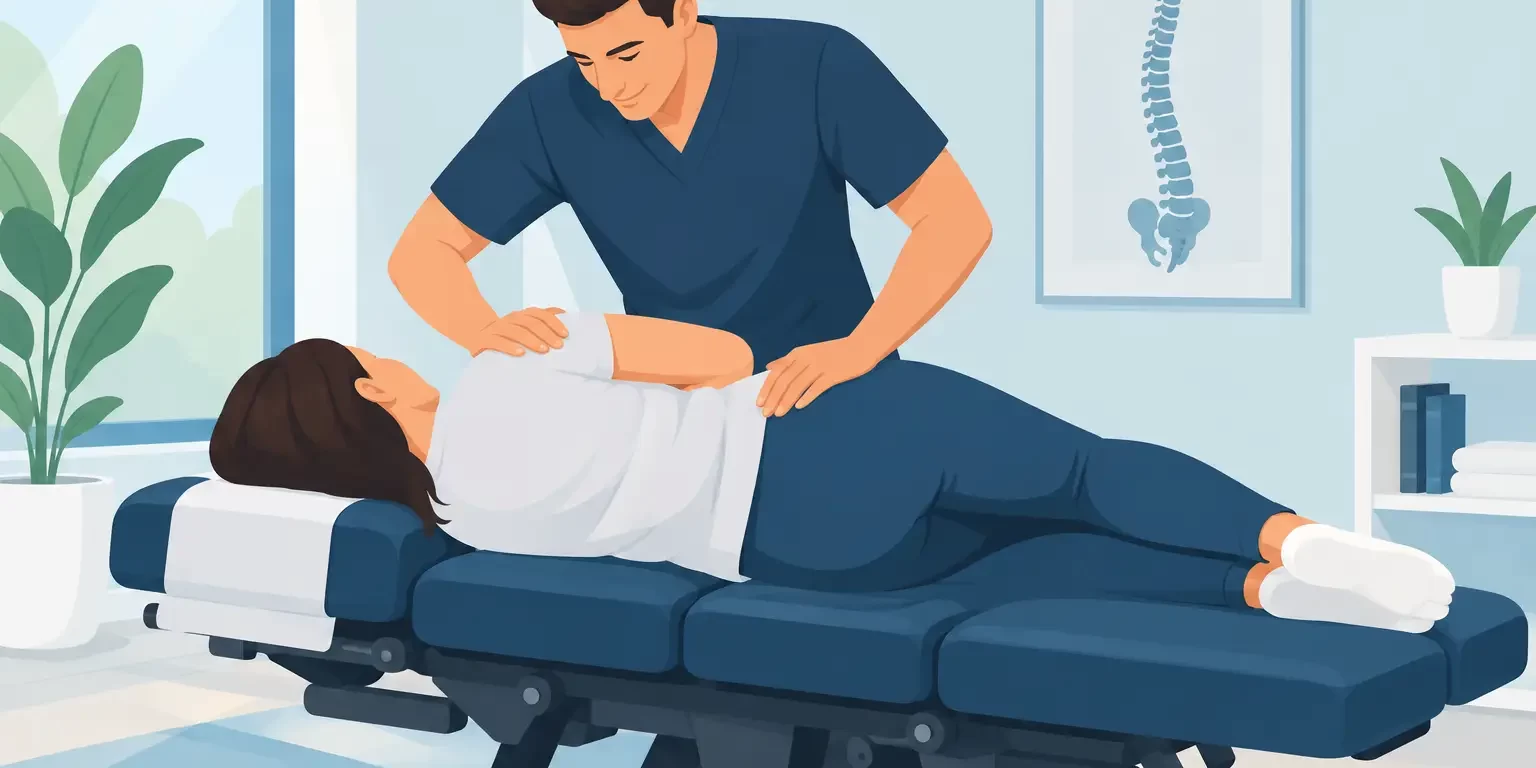
During a manual adjustment, you may lie face down, on your side, or on your back on a chiropractic table. The chiropractor positions your body and applies a quick, gentle force to a targeted area of the spine or another joint. You may hear a popping sound. This is often simply gas releasing from the joint as pressure changes, much like cracking a knuckle. It is not bones grinding or moving out of place.
Some people feel immediate relief or easier movement after an adjustment. Others notice a more gradual change over the next several days. Your response depends on several factors, including how long the issue has been present, the level of inflammation or muscle tension, your daily habits, and your overall health.
An adjustment should not feel frightening or unbearable. There can be brief pressure or mild discomfort, especially in a sensitive area, but communicate openly with your chiropractor. Techniques can often be modified to better fit your comfort level.
How You May Feel After Your First Adjustment
It is common to feel lighter, looser, or more mobile after your first adjustment. Some patients notice that turning their head, standing upright, or getting in and out of a chair feels easier. Others simply feel more aware of areas that have been tight for a long time.
Mild soreness, similar to what you might feel after trying a new workout, can also occur. Your muscles and joints may be adapting to improved movement and reduced restriction. This usually resolves within a day or two. Drinking water, taking a walk, using ice or heat when recommended, and following your chiropractor’s instructions can help you stay comfortable.
More significant or worsening symptoms should always be reported to your chiropractor promptly. Clear communication helps your provider adjust your care plan and make appropriate recommendations.
Why One Visit Is Often Only the Beginning
A first adjustment can be an important step, but long-term results often require more than a single appointment. Pain may have appeared suddenly, yet the movement patterns, postural strain, joint restrictions, or muscle imbalances behind it can develop over months or years.
That is why chiropractic care is often organized in stages. Relief care focuses on reducing discomfort and restoring more comfortable movement. Corrective care works on improving spinal function, stability, and habits that may be contributing to recurring problems. Wellness or prevention care supports ongoing spinal health after you are feeling better.
Your recommended schedule should reflect your individual findings, goals, response to care, and lifestyle. Someone with a recent minor strain may need a different plan than someone managing years of recurring neck pain, physically demanding work, or postural stress from long hours at a computer.
A good care plan should be explained in plain language. You should understand what the chiropractor found, what they recommend, how often visits may be needed, and what you can do between appointments to support progress.
Questions Worth Asking at Your First Appointment
You do not need to arrive knowing all the right chiropractic terms. A patient-centered office welcomes questions. Consider asking what the exam found, which areas will be adjusted, what technique will be used, and what changes you should reasonably expect after the visit.
It is also helpful to ask what you can do at home. Simple guidance on posture, work setup, stretching, sleep positions, lifting mechanics, hydration, and activity modification can support the work done in the office. For busy parents, professionals, and active adults, practical advice is often what makes care easier to follow consistently.
You can also discuss scheduling and cost before beginning a plan. At Core Wellness Chiropractic, accessible care and straightforward options help remove barriers for people who want to prioritize their health without relying on insurance or rearranging their entire week.
Come Prepared, But Do Not Overthink It
Wear comfortable clothing that allows you to move easily, arrive a few minutes early if you need to complete paperwork, and bring any relevant information about past injuries, imaging, or medical conditions. If you have a specific concern, write it down beforehand. It is easy to forget a question once an appointment gets underway.
Most of all, come ready to have an honest conversation about how you feel and what you want to get back to doing. Whether your goal is to sit through a workday with less pain, pick up your child more comfortably, return to the gym, or move with greater confidence, your first adjustment is a practical starting point for care that is built around your life.