
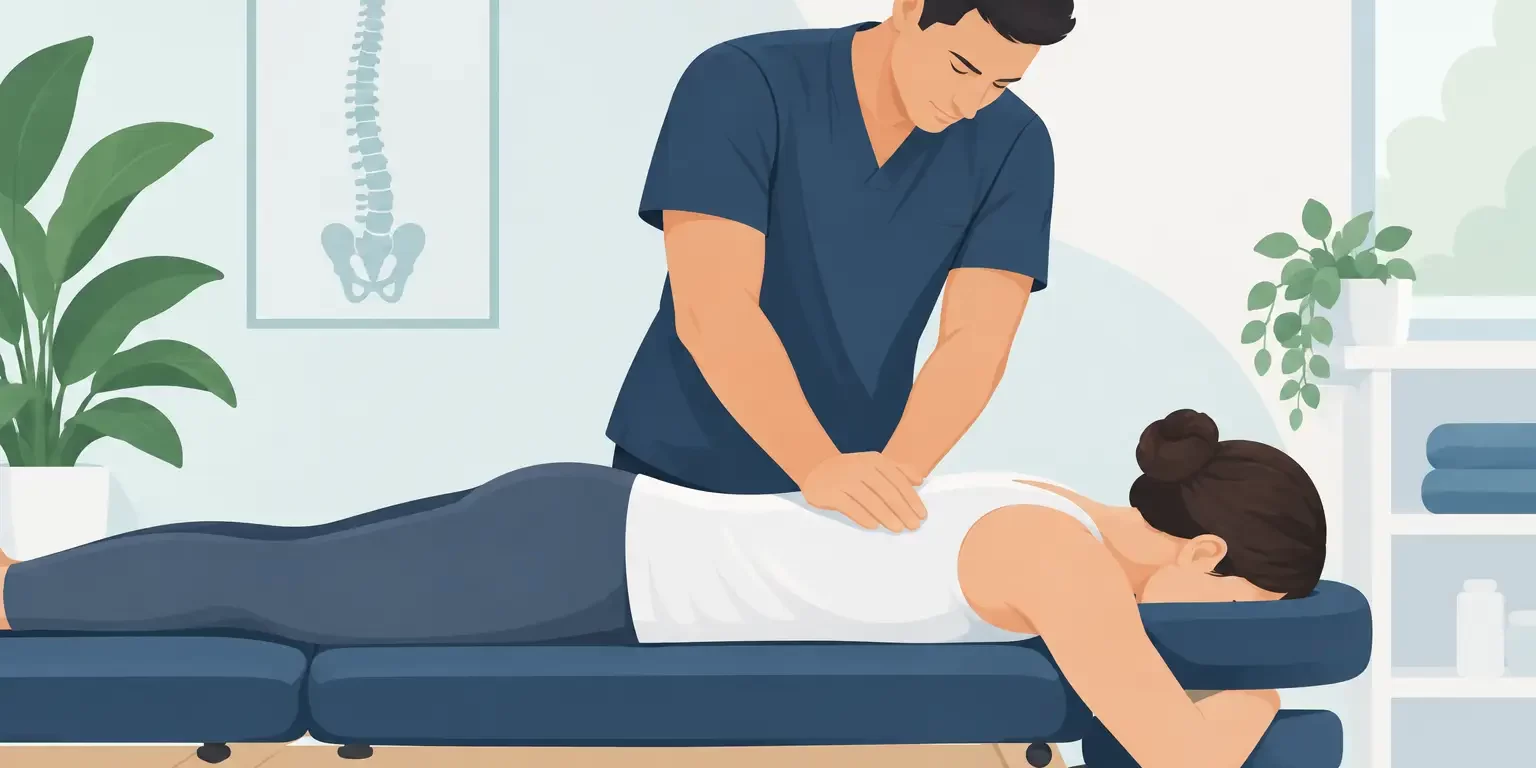
A stiff neck after a long commute, shoulders that stay raised through a workday, or a lower back that feels constantly tight can make ordinary routines feel harder than they should. So, can chiropractic help muscle tension? For many people, chiropractic care can be a helpful part of relieving tension by addressing joint restrictions, postural strain, and movement patterns that may be keeping muscles on guard.
Muscle tension is not always just a muscle problem. Muscles often tighten to protect an area that feels irritated, unstable, overworked, or limited in movement. When the spine and joints are not moving well, surrounding muscles may work overtime to compensate. A chiropractic evaluation looks at the whole pattern, not just the sore spot.
How chiropractic care may help muscle tension
Chiropractic care focuses on the relationship between the spine, joints, nervous system, and the way the body moves. A chiropractor may identify restricted motion in the neck, mid-back, low back, shoulders, hips, or pelvis. These restrictions can contribute to stiffness and make everyday activities, from turning your head to lifting groceries, less comfortable.
A chiropractic adjustment is designed to improve joint motion and reduce irritation in the affected area. As movement improves, the muscles around that joint may have less need to stay contracted. Many patients describe feeling looser or moving more freely after care, although the response varies from person to person.
That does not mean every tight muscle requires an adjustment, or that one visit will resolve a problem that has been building for months. Muscle tension can have several causes at once, including repetitive work, poor sleep, stress, an old injury, dehydration, training changes, and prolonged sitting. Chiropractic care works best when it is part of a thoughtful plan based on your history, exam findings, and daily demands.
Why muscles get tight in the first place
Muscle tension is often the body’s attempt to create stability. If your head repeatedly drifts forward while working at a computer, for example, the muscles at the base of the skull, neck, and upper shoulders may remain active for hours. If a hip or lower-back joint is not moving normally, the muscles around it may brace during walking, bending, or standing.
Stress can add another layer. When people are under pressure, they commonly clench their jaw, elevate their shoulders, or breathe more shallowly. Those patterns can leave the neck and upper back sore even without a single obvious injury. A chiropractor cannot remove the demands of a busy job or family schedule, but care can help address the physical strain those demands create.
There is also a difference between occasional tightness and recurring tension. Soreness after a new workout may improve with recovery and gentle movement. Tension that returns every week, limits your range of motion, causes headaches, or travels into the arm or leg deserves a closer look.
Can chiropractic help muscle tension in the neck and back?
The neck and back are common areas for persistent muscle tightness because they carry so much of the body’s daily load. Desk work, driving, lifting, looking down at a phone, and sleeping in an awkward position can all irritate these areas over time.
For neck tension, chiropractic care may focus on how the cervical spine, upper back, ribs, and shoulders are moving together. A person who feels knots along the upper trapezius may also have limited motion in the upper back or a posture habit that repeatedly overloads the neck. Addressing the broader pattern can be more useful than temporarily rubbing the tender area alone.
For lower-back tension, the exam may include the lumbar spine, pelvis, hips, and the way you bend or walk. Tight low-back muscles sometimes develop because the hips are restricted, core control has changed, or the body is protecting a painful joint. The goal is not simply to force a muscle to relax. It is to help the body move with less compensation and better balance.
What an appointment may include
Your first visit should begin with a conversation about where the tension occurs, when it started, what makes it better or worse, and whether it is affecting work, sleep, exercise, or daily activities. A chiropractor may assess posture, range of motion, joint movement, muscle tenderness, and neurological signs when appropriate.
If chiropractic care is appropriate, your plan may include gentle or manual adjustments, recommendations for movement, and practical guidance for the activities that seem to aggravate the problem. The type of adjustment and frequency of care should be tailored to your comfort level and clinical findings. Clear communication matters. You should understand what the provider recommends, why it is recommended, and what progress might reasonably look like.
At Core Wellness Chiropractic, care can be organized around relief, corrective, and wellness phases. Relief care is focused on reducing immediate discomfort and restoring easier movement. Corrective care may address the recurring patterns behind the tension, while wellness care supports continued spinal function and prevention for people who want to stay proactive.
What to do between chiropractic visits
A good care plan extends beyond the adjustment table. Small changes repeated consistently can make a meaningful difference for tense muscles.
Try to change positions regularly rather than holding one posture for hours. A brief walk, shoulder roll, hip stretch, or a few controlled neck movements can interrupt the cycle of bracing. If you work at a desk, place frequently used items within easy reach and position your screen so you are not constantly looking down.
Gentle strength and mobility work can also help, especially once acute discomfort begins to settle. The right exercises depend on your condition. Someone with tight shoulders from prolonged sitting may benefit from upper-back mobility and pulling movements, while a person with lower-back tension may need hip mobility and gradual core stability work. Pushing through sharp pain is not the goal.
Pay attention to recovery as well. Consistent sleep, adequate water, regular movement, and pacing your activity after a flare-up all support the body’s ability to calm down. Massage, heat, and relaxation techniques may provide additional comfort for some people. These options do not replace an evaluation when symptoms persist, but they can complement a broader plan.
When muscle tension needs medical attention
Most muscle tension is not an emergency, but certain symptoms should not be ignored. Seek prompt medical evaluation for significant weakness, numbness that is worsening, loss of bowel or bladder control, unexplained fever, severe headache unlike your usual headaches, chest pain, major trauma, or pain that is intense and rapidly getting worse.
Chiropractic care is also not the right first step for every condition. A responsible provider will screen for concerns that require imaging, medical care, or referral to another health professional. That commitment to safety is part of patient-centered care.
A practical path toward less tension
If tense muscles are interfering with your sleep, focus, work, workouts, or time with family, you do not have to accept constant stiffness as normal. An exam can help determine whether restricted spinal or joint movement may be contributing and whether chiropractic care fits your needs.
Start with the pattern you notice most: the time of day the tightness appears, the activity that triggers it, and what helps it ease. Bringing that information to your appointment can help create a clearer, more practical path toward moving comfortably again.