
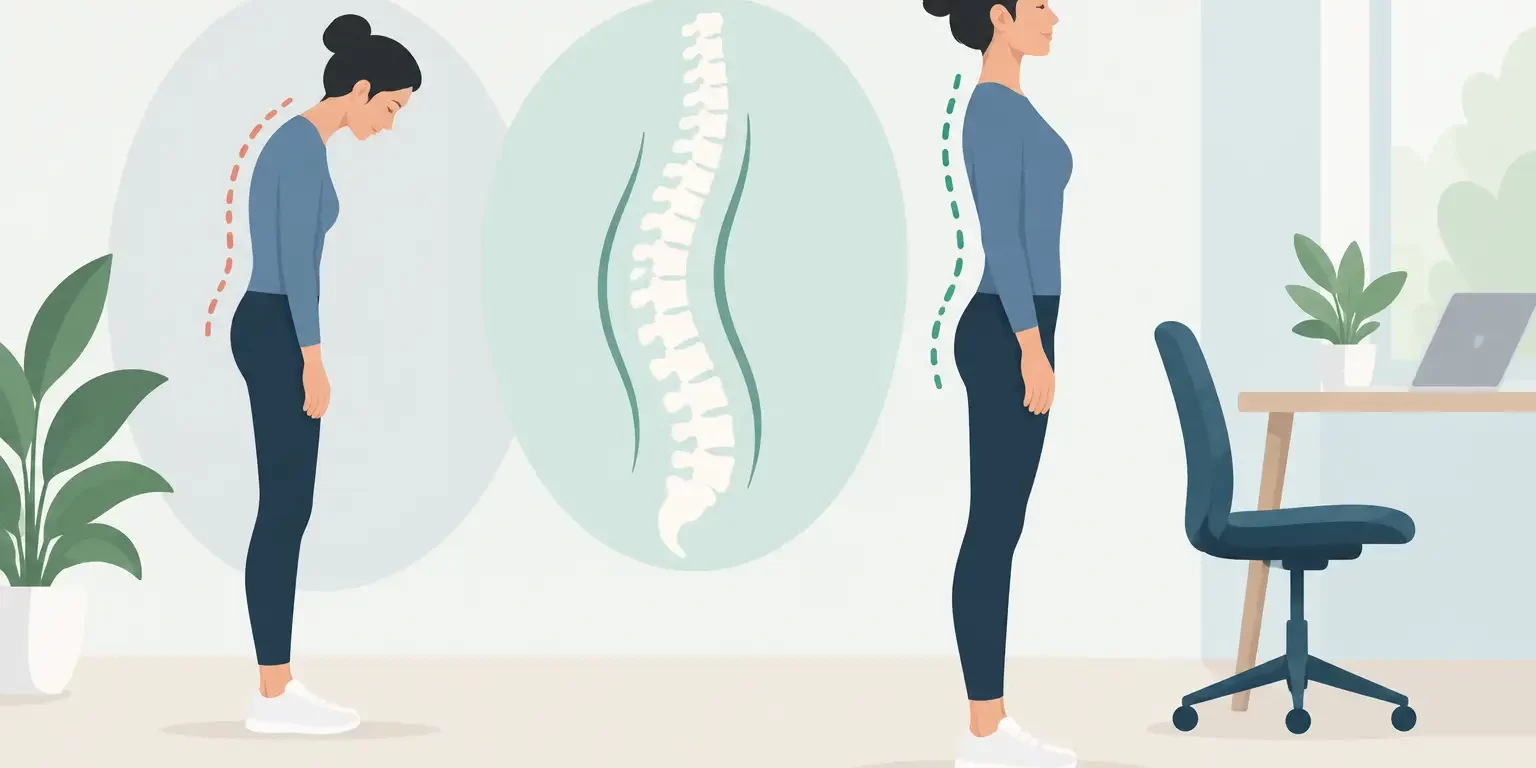
A long afternoon at a desk, a commute across Western New York, and one more look down at a phone can leave the same message in the body: tight shoulders, an aching low back, or a stiff neck. Understanding how spinal alignment supports posture helps explain why these patterns can build over time – and why posture is about far more than remembering to sit up straight.
Posture is the way your body organizes itself while sitting, standing, walking, lifting, and resting. Your spine is central to that organization. When the joints, muscles, and nervous system can work together efficiently, everyday movement generally requires less compensation. When movement is restricted or the body is repeatedly pulled into an uncomfortable position, other areas may work harder to keep you upright.
At Core Wellness Chiropractic, we help patients understand these patterns in practical terms. The goal is not a rigid, picture-perfect posture. It is a body that can move, adapt, and handle daily demands with greater comfort and confidence.
How spinal alignment supports posture and movement
The spine has natural curves in the neck, mid-back, and low back. These curves are not flaws to be flattened. They help distribute load, absorb forces, and position the head and torso over the pelvis. Healthy alignment means these regions can move and support one another in a balanced way.
Think about your head for a moment. When it drifts forward while you work or drive, the muscles at the back of the neck and upper back often have to work continuously to support it. The shoulders may round, the chest may feel tight, and the upper back can become fatigued. The body is resourceful, so it compensates. But compensation can become uncomfortable when it is repeated day after day.
Spinal joints also provide information to the nervous system about position and movement. When a joint is moving poorly or surrounding muscles are guarding because of irritation, the body may change the way it holds itself. That does not mean every postural concern comes from one misaligned vertebra. Posture is influenced by many factors, including work setup, stress, sleep, past injuries, strength, mobility, vision, and daily habits.
Still, improving spinal mobility and reducing areas of restriction can be a meaningful part of helping the body move more naturally. Chiropractic care focuses on evaluating spinal function and, when appropriate, using gentle, hands-on adjustments to support joint motion and overall musculoskeletal function.
Good posture is dynamic, not stiff
Many people have been taught that good posture means pulling the shoulders back and holding them there all day. That approach can create more tension, especially if the upper back, chest, hips, or neck are already tight.
A more useful goal is dynamic posture. Dynamic posture means you can find a comfortable, supported position, but you also change positions regularly. You can turn your head while driving, reach for a child, carry groceries, get up from a chair, and walk without feeling as though one area must do all the work.
For someone who spends eight hours at a computer, dynamic posture may include adjusting the monitor to a comfortable height, sitting with the feet supported, and standing or walking briefly every 30 to 60 minutes. For a busy parent, it may mean bringing a child closer before lifting rather than reaching with a rounded back. For an active adult, it may mean addressing hip or mid-back stiffness before it changes how the shoulders, knees, or low back move during exercise.
There is no single perfect posture for every person. A comfortable standing position for one patient may not feel natural for another because of body proportions, occupation, fitness level, or a history of injury. The better question is whether your usual posture is sustainable and whether you can move out of it easily.
What can interfere with healthy alignment
Postural strain often develops gradually. A single weekend project or a hard workout can trigger discomfort, but the underlying pattern may have been building for months. Long periods of sitting, repetitive lifting, poor sleep positions, old injuries, and limited movement variety can all contribute.
Muscle tension is part of the picture, but it is rarely the whole story. Tight hip flexors can affect pelvic position. Limited movement in the mid-back can encourage the neck and low back to compensate. A painful shoulder can change how a person sits, reaches, or carries a bag. Stress can also lead people to brace through the jaw, neck, and shoulders without realizing it.
This is why a thoughtful chiropractic exam matters. Rather than treating posture as a cosmetic issue, a chiropractor can assess areas of tenderness, joint motion, movement habits, and how symptoms affect daily life. The findings help shape a care plan that fits the person in front of them.
Chiropractic care can support better postural habits
Chiropractic adjustments are designed to address joint restrictions and support healthier spinal motion. For patients dealing with neck pain, back pain, recurring tension, or stiffness, care may help reduce discomfort that makes it difficult to sit, stand, or move comfortably. Adjustments are often paired with guidance on mobility, strengthening, lifting mechanics, and everyday ergonomics.
Care is most effective when it matches the patient’s needs and goals. Someone with recent pain may first need relief-focused care to calm irritation and improve day-to-day function. Once symptoms are more manageable, corrective care may focus on improving movement patterns, stability, and the habits that contribute to recurring strain. Wellness or prevention care can help patients maintain progress and stay attentive to changes before a small issue becomes a larger interruption.
These stages are not a one-size-fits-all schedule. Some patients need short-term support after a flare-up. Others benefit from a longer plan because their work, activity level, or chronic pattern places ongoing stress on the spine. Clear communication about expectations, progress, and comfort should always guide care.
Simple ways to support your spine between visits
Small changes can make a real difference when they are repeated consistently. Start by noticing the positions you hold most often, not just the ones you think are “bad.” If you always cross the same leg, lean toward one armrest, carry a bag on one shoulder, or look down at a screen, your body may be receiving the same load repeatedly.
Create more movement in the day. A few minutes of walking, gentle neck and shoulder motion, or standing between tasks can be more helpful than one long stretching session followed by hours in the same position. When working at a desk, bring the screen closer to eye level and keep frequently used items within easy reach. When using a phone, raise it when possible instead of repeatedly bending the neck down.
Strength matters as well. The muscles of the core, hips, upper back, and shoulders help support movement, but the right exercises depend on your starting point. If you have pain, numbness, weakness, a recent injury, or symptoms that are worsening, it is wise to seek an evaluation before pushing through an exercise routine.
Sleep can also influence how you feel during the day. A supportive pillow and mattress should help you rest in a comfortable position, not force your neck or low back into an extreme angle. If you wake up consistently stiff or sore, your sleep setup is worth discussing as part of your overall care plan.
When posture concerns deserve an evaluation
A forward head posture in a photo or rounded shoulders after a long day do not automatically mean something is seriously wrong. But recurring pain, frequent headaches, limited range of motion, tingling, numbness, weakness, or pain that interferes with work, sleep, exercise, or family time should not be ignored.
A chiropractic consultation can provide a clearer starting point. You can discuss what you are feeling, what activities aggravate it, and what you want to return to doing comfortably. If chiropractic care is appropriate, your provider can explain the recommended approach. If another type of evaluation is needed, that should be part of the conversation as well.
Your posture does not need to be perfect to support a full, active life. It needs regular movement, appropriate support, and attention when discomfort begins to change the way you live. A better relationship with your spine starts with noticing those signals and giving your body a practical path forward.






1 Comment