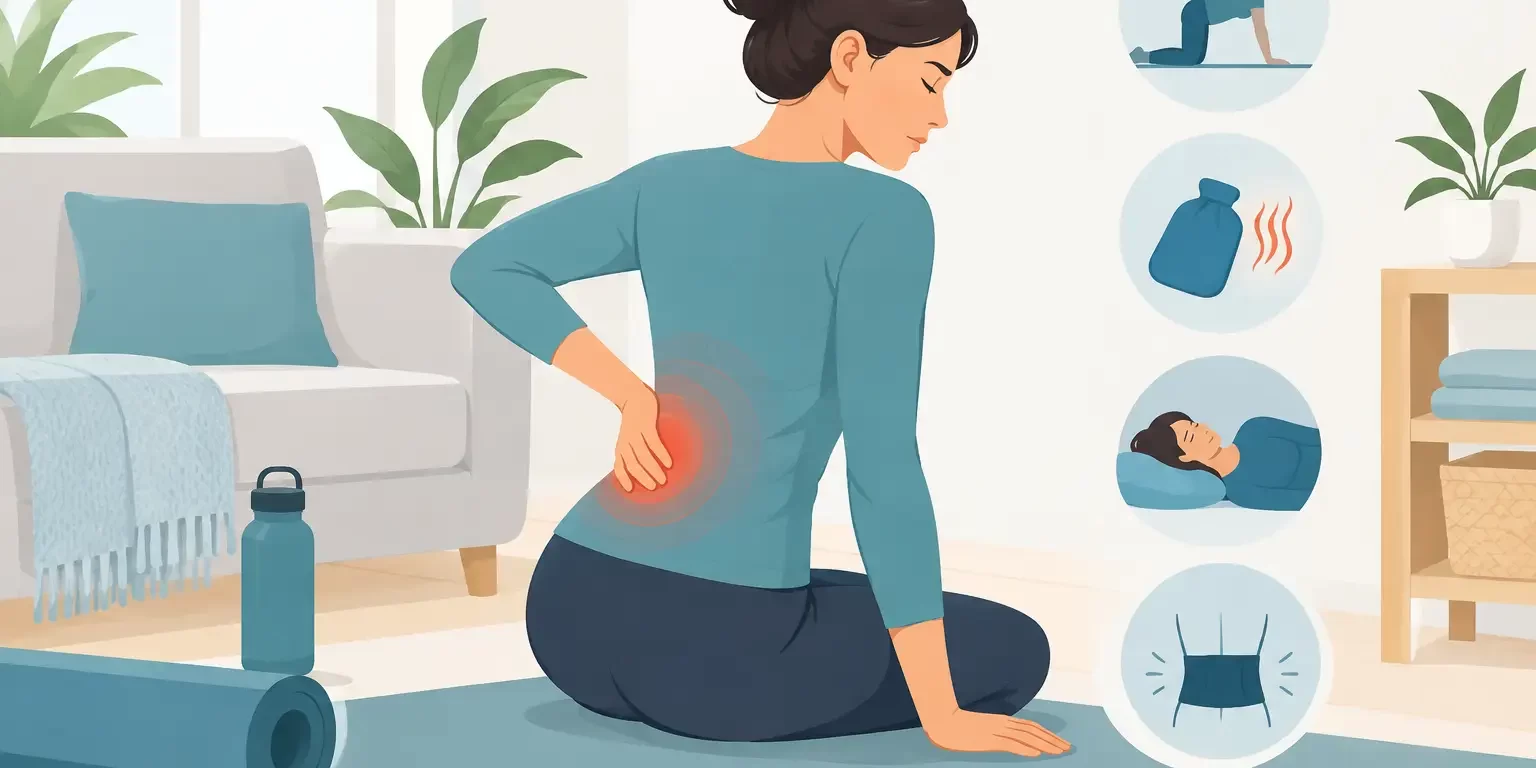
A back spasm can stop an ordinary day in its tracks. One moment you are picking up a laundry basket, reaching for something in the car, or getting out of bed, and the next your muscles tighten so sharply that standing upright feels difficult. Knowing how to manage back spasms can help you calm the immediate discomfort, move more safely, and recognize when it is time for professional care.
A spasm is not always a sign of serious damage, but it is your body’s way of guarding an area that feels irritated, strained, or unstable. The goal is not to force your way through the pain. It is to reduce the irritation, keep your body from becoming overly stiff, and identify what may be contributing to repeated flare-ups.
What a Back Spasm Is Trying to Tell You
Back spasms occur when muscles contract suddenly and involuntarily. They may feel like a knot, cramp, sharp grab, or a band of tightness across the low or middle back. Sometimes the discomfort stays in one spot. Other times, it can spread into the buttocks, hip, or upper back.
A simple muscle strain can trigger a spasm, especially after lifting, twisting, yard work, a new workout, or a long day spent sitting. Poor sleep positions, stress, dehydration, and insufficient recovery can also make muscles more likely to tighten. In other cases, the muscle is responding to an underlying problem such as joint irritation, poor spinal movement, posture-related stress, or a disc condition.
That distinction matters. A first-time spasm after a day of heavy work may settle with conservative care. Spasms that return regularly, occur without a clear cause, or limit your normal activities deserve a more complete evaluation.
How to Manage Back Spasms in the First 24 to 48 Hours
When your back seizes up, many people either stay in bed all day or try to “work it out” aggressively. Neither approach is usually ideal. Complete bed rest can increase stiffness, while forceful stretching or lifting can further irritate already protective muscles.
Start by finding a comfortable position that reduces tension. For low back spasms, lying on your back with a pillow under your knees or lying on your side with a pillow between your knees may feel more supportive. If sitting is tolerable, use a supportive chair and avoid slumping forward for long periods.
Cold or heat can be useful, but the better choice depends on what your body responds to. A cold pack may feel soothing soon after a strain or when the area feels hot and irritated. Gentle heat may help a tight, guarded muscle relax. Use either one for short periods, with a layer between the pack and your skin, and do not fall asleep on a heating pad.
Gentle movement is often more helpful than remaining still. A few slow walks around the house, easy position changes, or carefully paced movement can help prevent the surrounding muscles from becoming more rigid. Keep your stride short, avoid twisting, and stop if a movement creates sharp or radiating pain.
Over-the-counter medication may be appropriate for some adults, but it is not right for everyone. Follow label directions and speak with a pharmacist or healthcare provider if you have kidney, liver, heart, stomach, bleeding, or medication-interaction concerns. Medication can reduce symptoms, but it does not correct the movement or spinal issues that may be contributing to them.
Move Gently, Not Aggressively
Once the sharpest pain begins to settle, controlled mobility can support recovery. The right exercise depends on your symptoms, fitness level, and the cause of the spasm, so there is no single stretch that works for every back.
For many people, gentle pelvic tilts while lying on the back, slow knee-to-chest movements, or an easy walk can feel good. If a movement increases pain, produces tingling, or sends discomfort down the leg, stop and seek guidance rather than pushing through it. Stretching should create a mild sense of release, not a sharp pull or a challenge to endure.
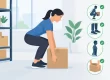
Pay attention to the rest of your day as well. Avoid repeated bending, heavy lifting, sudden twisting, and long stretches in one position while symptoms are active. If you need to lift something, keep it close to your body, bend through your hips and knees, and avoid rotating while carrying the load.
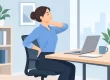
For working adults and busy parents, the practical adjustment may be taking more frequent standing or walking breaks, asking for help with heavy tasks, or temporarily changing how you handle household chores. These small choices can keep one painful episode from turning into a longer setback.
Look Beyond the Immediate Spasm
When spasms keep coming back, the question becomes less about what happened that day and more about why the back keeps becoming vulnerable. Repeated flare-ups can be associated with poor posture, reduced core endurance, uneven movement patterns, old injuries, joint restriction, prolonged sitting, or a return to activity that is too fast after time off.
Stress can play a role, too. Many people hold tension in their shoulders, mid-back, and low back without realizing it. Pairing physical care with consistent sleep, regular movement, hydration, and brief relaxation practices may reduce the muscle tension that builds over time.
A structured approach is often more effective than only responding when pain is severe. Relief care focuses on calming the active episode and restoring comfortable movement. Corrective care works to address the movement patterns and spinal stress that may be contributing to recurring symptoms. Wellness or prevention care helps many patients maintain better function as they return to work, exercise, family responsibilities, and the activities they enjoy.
When Chiropractic Care May Help
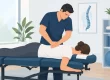
Chiropractic care can be a practical, drug-free option for back spasms related to spinal joint dysfunction, muscle tension, posture changes, or restricted movement. A chiropractor can evaluate your symptoms, range of motion, posture, and spinal function to determine whether chiropractic care is appropriate.
Treatment may include chiropractic adjustments, gentle hands-on techniques, and guidance on movement, posture, and activity modification. The purpose is not simply to chase temporary relief. It is to improve how the spine and surrounding muscles move and function so the body is better prepared for daily demands.
Care should always be individualized. A patient with a recent lifting strain may need a different plan than someone with recurring spasms after years of desk work or prior injury. At Core Wellness Chiropractic, patients can receive an examination and a clear explanation of recommended care, with a plan that fits the relief, corrective, and wellness stages of recovery.
Know When a Back Spasm Needs Urgent Medical Attention
Most uncomplicated muscle spasms improve gradually, but some symptoms should never be ignored. Seek urgent medical evaluation if your back pain follows a serious fall, car accident, or other significant trauma. You should also seek prompt care for new leg weakness, numbness in the groin or saddle area, loss of bladder or bowel control, fever, unexplained weight loss, severe abdominal pain, or pain that is rapidly worsening.
Pain that travels down the leg with numbness, tingling, or weakness may indicate nerve involvement and should be evaluated. The same is true if symptoms persist without improvement, repeatedly wake you at night, or keep interfering with work and daily life.
Back spasms are frustrating, but they do not have to become your normal. Give your body a chance to settle, stay gently mobile, and get help when the pattern points to more than a one-time strain. A thoughtful plan now can make everyday movement feel more confident again.