Muscle tension can make an ordinary workday feel much longer. Your shoulders creep toward your ears during emails, your neck feels stiff on the drive home, or your lower back tightens after lifting a child or doing yardwork. Learning how to reduce muscle tension starts with recognizing that tight muscles are often a protective response, not simply a problem to stretch away.
A muscle may tighten after overuse, poor posture, emotional stress, an awkward sleeping position, or an underlying joint or spinal issue. The goal is not to force the area to relax. It is to identify what is repeatedly asking the muscle to guard and give your body the support, movement, and care it needs to move more comfortably.
Why muscles stay tight
Muscle tension is a normal part of the body’s defense system. When your brain senses strain, instability, or possible injury, it may signal nearby muscles to contract and protect the area. This is useful in the short term. Problems develop when the pattern continues long after the immediate stressor has passed.
For many adults, the cause is not one dramatic event. It is a collection of everyday habits: sitting with the head forward, looking down at a phone, carrying a heavy bag on one shoulder, sleeping without enough neck support, or repeating the same motion at work. Stress can add another layer. When you are under pressure, you may clench your jaw, brace your shoulders, or take shallow breaths without realizing it.
Tightness can also follow an injury or develop when joints are not moving well. Muscles around the neck, shoulders, hips, and low back often work harder to compensate. That is why temporary relief from heat or massage can be helpful, while recurring tension may need a more complete evaluation.
How to reduce muscle tension at home
The most effective home approach is usually gentle and consistent. Aggressive stretching or pushing through sharp pain can make a guarded muscle tighten further. Start with small changes that make movement feel safer and easier.
Use gentle movement throughout the day
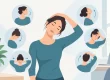
Muscles generally respond better to regular movement than to hours of stillness followed by one intense workout. If you sit for work, stand up at least once an hour. Walk for a few minutes, roll your shoulders slowly, or gently turn your head from side to side within a comfortable range.
For low back or hip tension, an easy walk can be more productive than remaining on the couch all day. Movement encourages circulation and reminds the nervous system that the area can move without danger. If an activity causes worsening pain, numbness, or weakness, stop and seek professional guidance.
Stretch with control, not force
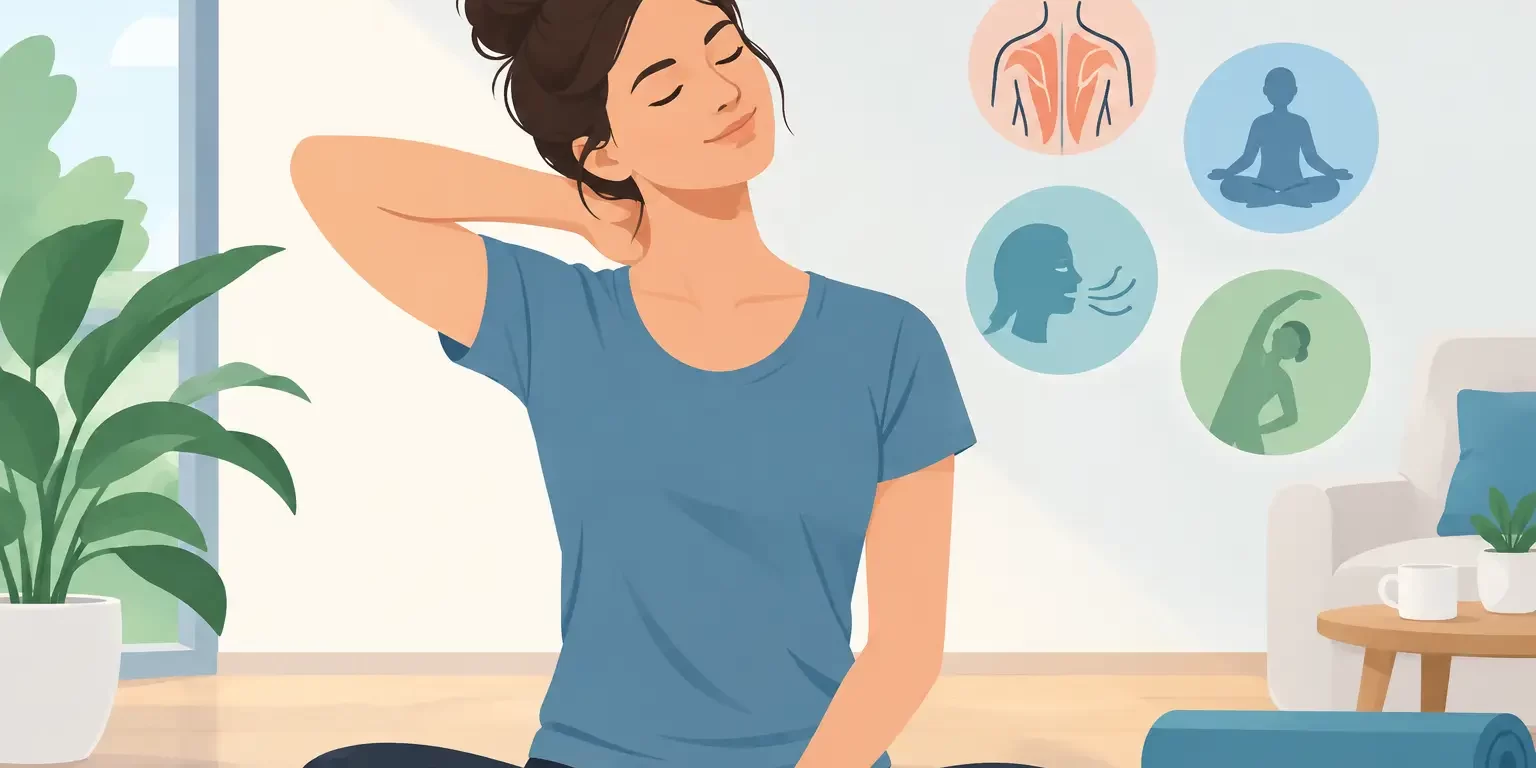
A slow stretch can help reduce the sensation of tightness, especially after sitting, exercise, or repetitive work. Ease into the position until you feel mild tension, not pain. Breathe normally and hold for about 20 to 30 seconds before slowly releasing.
Avoid bouncing or trying to achieve a dramatic range of motion. A tight hamstring, chest muscle, or upper trapezius may need repeated gentle attention over time. If it tightens again quickly, consider whether posture, joint movement, or workload is contributing to the pattern.
Apply heat when stiffness is the main issue
A warm shower, heating pad, or warm compress can be soothing for muscles that feel stiff and achy. Heat may be especially helpful before gentle stretching or an easy walk. Use a protective layer between the heat source and your skin, and avoid falling asleep with a heating pad.
Cold may be more appropriate immediately after a fresh injury that involves swelling or inflammation. The right choice depends on what happened, how long symptoms have been present, and how your body responds. When in doubt, focus on light movement and ask a healthcare professional for individualized advice.
Improve your breathing and stress response
Stress-related tension is physical, even when the original trigger is emotional. A few minutes of slow breathing can reduce the habit of bracing through the neck, chest, and shoulders. Try sitting comfortably, relaxing your jaw, and taking a slow breath into your lower ribs and abdomen. Exhale a little longer than you inhale.
This is not a cure for every type of muscle pain. It is, however, a practical way to interrupt the stress-tension cycle that many busy parents and professionals experience every day.
Check the positions you repeat most
You do not need perfect posture every minute of the day. Bodies are designed to move, and even a good sitting position becomes uncomfortable if you hold it too long. The goal is variety and support, not rigid posture rules.
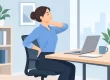
At a desk, place your screen near eye level so you are not constantly bending your neck forward. Keep frequently used items close enough that you do not repeatedly reach and twist. Let your feet rest on the floor or a stable support, and consider using a chair that supports your lower back.
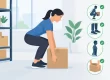
When using a phone, bring it closer to eye level instead of dropping your head toward your lap. When lifting, move close to the object, bend through the hips and knees as appropriate, and avoid twisting while carrying weight. Small adjustments can reduce the repeated strain that keeps muscles on alert.
Sleep matters, too. Your pillow should support your neck in a neutral, comfortable position rather than pushing your head too high or allowing it to drop too low. Side sleepers often benefit from a pillow between the knees, while back sleepers may find a small pillow under the knees reduces low back strain. The best setup is the one that helps you wake up feeling less stiff, not the one that looks perfect online.
When exercise helps and when to scale back
Regular strength and mobility work can reduce recurring muscle tension by improving endurance and stability. When muscles are conditioned to support daily tasks, they may be less likely to overwork during a long day at a computer, a weekend project, or a workout.
Start below your current limit. If you have been inactive or are dealing with pain, short walks, basic bodyweight movements, and gentle mobility exercises may be enough at first. Add time, resistance, or intensity gradually. Soreness after a new activity can be normal, but pain that is sharp, severe, or worsening is a sign to reassess.
It also helps to balance exercise with recovery. Training hard every day without adequate sleep, hydration, or rest can contribute to ongoing tightness. Recovery is not doing nothing. It is giving your body the right amount of movement and support to adapt.
When muscle tension may need professional care
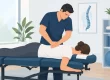
Home strategies are valuable, but persistent tension deserves attention, particularly when it keeps returning in the same area. A chiropractor can evaluate how spinal alignment, joint motion, posture, and movement habits may be influencing the muscles around the neck, back, shoulders, or hips.
Chiropractic care is not limited to a quick adjustment. A thorough approach may include an examination, discussion of your daily activities, appropriate adjustments, and recommendations for movement or posture changes. Care plans may begin with relief care for current discomfort, progress to corrective care when needed, and continue with wellness or prevention visits to help maintain function.
At Core Wellness Chiropractic, patients can receive straightforward, drug-free care designed around their needs and goals. For people in Western New York managing work, family schedules, and recurring discomfort, convenient appointment options can make it easier to address a problem before it becomes more limiting.
Seek urgent medical attention for muscle pain or tension accompanied by chest pain, trouble breathing, sudden severe headache, fever, unexplained weight loss, loss of bowel or bladder control, numbness in the groin area, or significant weakness. These symptoms can point to concerns that require prompt medical evaluation.
Give your body a better signal
Reducing muscle tension is often less about one perfect stretch and more about changing the message your body receives all day. Move before you become stiff, adjust the positions that repeatedly strain you, manage stress where you can, and get evaluated when tightness persists or limits your life. A body that feels supported is more likely to let go of the tension it has been carrying.